Five Eyes Warn Chinese Military Intelligence Recruiting Government and Military Personnel Through Fake Job Offers on LinkedIn and Indeed

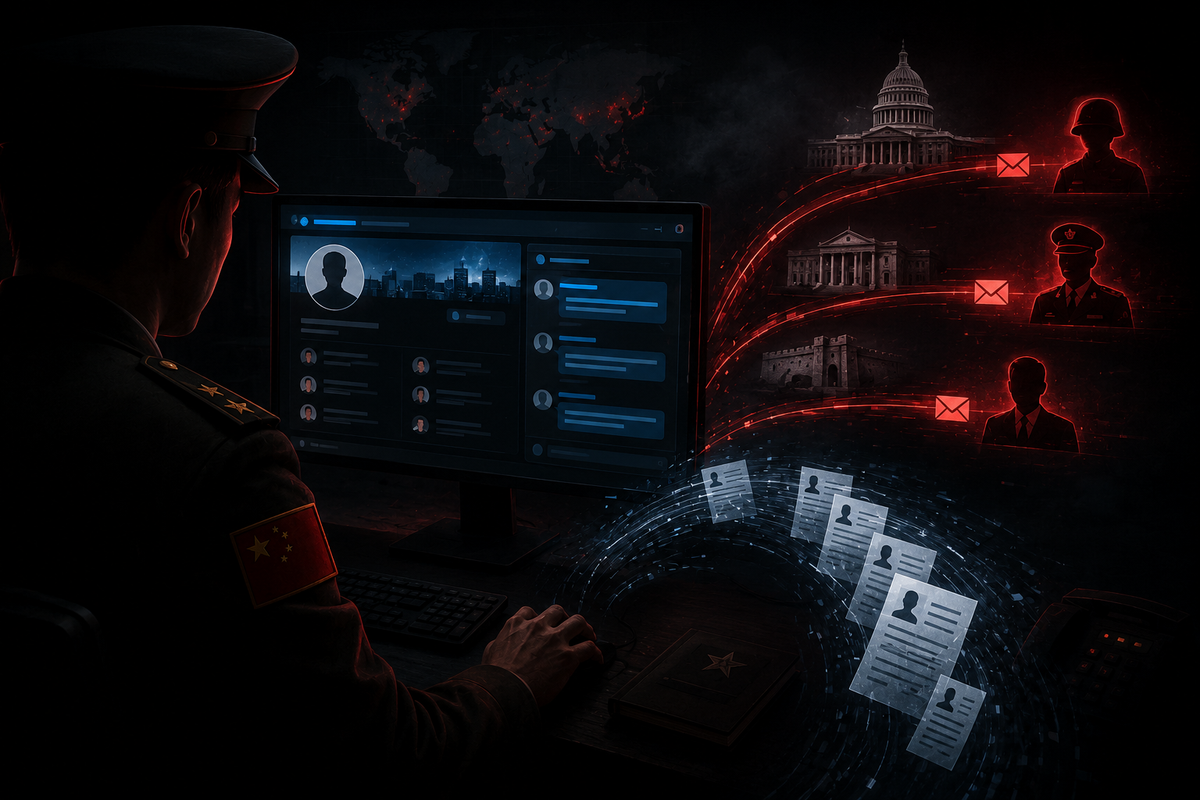
The intelligence agencies of all five Five Eyes nations have issued a joint alert warning that Chinese military intelligence officers are conducting coordinated recruitment campaigns on professional networking platforms, targeting government and military personnel with access to classified or privileged information.
The alert — co-authored by the FBI, MI5, the Australian Security Intelligence Organisation, Canada's Security Intelligence Service, and New Zealand's Security Intelligence Service — describes a systematic operation in which Chinese spies pose as recruiters for think tanks, private consultancies, and HR firms on platforms including LinkedIn, Indeed, and Upwork. The fake job postings advertise positions such as foreign policy and defense analysts, designed to attract exactly the type of personnel Chinese intelligence wants to reach.
The recruitment pipeline is methodical. Applicants' resumes are ranked based on their potential access to sensitive information. Selected candidates are invited to virtual interviews where the recruiters conceal their true identities while probing candidates about their access to government personnel and systems. Candidates are then asked to write a trial report on topics such as China's bilateral relations, the Indo-Pacific region, defense issues, or international trade.
The escalation is gradual and deliberate. After the initial report, candidates are told that subsequent reports need to include more privileged information. Communication is moved to encrypted messaging platforms to create a false sense of security. Payments range from a few hundred to several thousand dollars per report, delivered through third-party platforms including PayPal, Payoneer, Zelle, Skrill, Wise, Western Union, and cryptocurrency — typically from accounts belonging to individuals not involved in the recruitment process, adding a layer of obfuscation.
The Five Eyes agencies emphasize that even unclassified information provided by candidates is valuable — it is likely collected and combined with more sensitive data obtained through other channels. In an era of data aggregation, information that appears harmless in isolation can become strategically significant when fused with other intelligence sources.
The consequences for individuals who engage extend beyond the intelligence loss. Candidates risk compromise of the personal information contained in their resumes, prosecution for espionage, job loss, and security clearance revocation. The agencies also note that certain types of disclosed data can endanger the lives of frontline military personnel, weaken economic security, and enable interference in democratic processes.
The tactic itself is not new — but the scale and precision that professional networking platforms enable has transformed it. Chinese intelligence officers can now identify, screen, and recruit targets without leaving their desks, operating across an ecosystem that extends well beyond current government employees to include contractors, former personnel, academics, researchers, journalists, and industry experts who may possess fragments of strategically valuable knowledge.
Significance:
This joint advisory represents the strongest collective statement the Five Eyes have issued on Chinese human intelligence operations targeting the defense and policy communities through social engineering on commercial platforms. The operational model described — gradual escalation from innocuous-seeming consulting work to requests for classified information, with payment laundering through third-party platforms — is designed to make each individual step feel reasonable until the target is deeply compromised. Organizations with security-cleared personnel should incorporate this specific threat pattern into insider threat awareness programs and monitor for employees engaging with unsolicited recruitment outreach on topics aligned with their classified access.